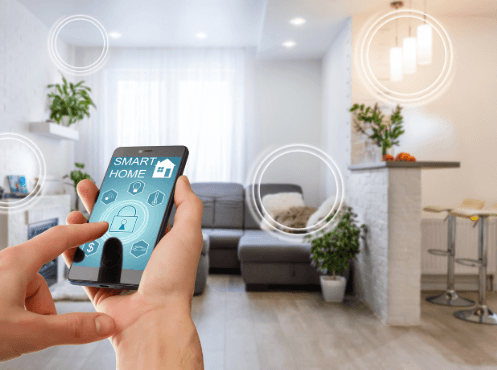
Intelligent devices shape daily routines by turning tasks into predictable sequences. They rely on triggers, data, and ambient cues to reduce cognitive load without eroding choice. The result is a system that feels proactive yet controllable. Choosing gadgets demands clear needs, interoperability, and cost-benefit analysis. Privacy and security must be integral, with governance and updates sustaining value. The balance between automation and control sets the tone for their usefulness, leaving the next step worth considering.
How Intelligent Devices Shape Daily Routines
Smart home and wearable devices function as orchestrators of daily activities, coordinating routines through automated triggers, data inputs, and user preferences. They translate tasks into predictable sequences, enabling consistent outcomes while preserving choice. Smart home abstractions frame interactions, and ambient intelligence enhances responsiveness. The result is streamlined efficiency that supports autonomy, reduces cognitive load, and reinforces deliberate, freedom-focused decision making.
Choosing Which Smart Gadgets Matter for You
Selecting the right smart gadgets requires a structured assessment of needs, constraints, and expected gains. The analysis compares use cases, interoperability, and cost-to-benefit ratios. Priorities center on smart lighting, wearable sensors, energy efficiency, and enhanced user experience. A pragmatic approach favors devices with reliable performance, simple interfaces, and scalable ecosystems, enabling autonomous optimization while preserving personal freedom and control.
Privacy and Security in a Connected Home
In a connected home, privacy and security function as foundational constraints that shape design choices, deployment strategies, and ongoing risk management. The discussion examines a structured approach to privacy policy, emphasizing data minimization and transparent governance. Effective smart home security relies on rigorous device authentication, regular updates, and threat monitoring, enabling user freedom through predictable, auditable protection without compromising convenience or innovation.
Getting the Most Value: Efficiency, Costs, and Longevity
How can households maximize value from intelligent devices while controlling ongoing costs and extending operational life? Systematic evaluation compares upfront price, ongoing energy use, and maintenance needs. Costs vs benefits guide purchases and routines, with emphasis on interoperability and software updates. Practices emphasize device lifespan through prudent use, timely firmware, and modular replacements, preserving performance while curtailing waste and unnecessary redundancy.
See also: croatiawire
Frequently Asked Questions
How Do Intelligent Devices Learn and Adapt to My Habits?
Intelligent devices learn through data-driven learning methods, updating models as patterns emerge; they adjust interfaces and routines to reflect user personalization. They analyze interactions, optimize predictions, and balance privacy with utility, pursuing pragmatic, systematic improvements while preserving user autonomy.
Are Smart Devices Repairable or Easily Replaceable When Failing?
Smart devices are often repairable, though repairability concerns vary; some models offer modular components, while others rely on proprietary parts. In practice, replacement viability depends on cost, availability, and loosening manufacturer restrictions, guiding users toward pragmatic, freedom-oriented decisions. Ironically, dependence persists.
Do Intelligent Devices Collect Data Beyond Home Usage Patterns?
Smart devices often collect data beyond usage patterns, including sensor and context data; this raises privacy risk assessment concerns. They may share analytics with manufacturers or third parties, necessitating transparent governance, user controls, and rigorous privacy-by-design practices.
Can I Override AI Recommendations With Manual Preferences?
Users can override AI recommendations with manual preference overrides; limits exist where device learning takes data collection beyond usage into broader profiling, yet true override remains constrained by platform, privacy settings, and ethical safeguards, balancing autonomy and data collection.
What Happens to My Data if I Stop Using Smart Devices?
When devices are abandoned, data deletion practices vary; some platforms erase data promptly, while others may retain backups. Privacy retention policies determine persistence, and users should request deletion, audit archives, and verify compliance to ensure data minimization and control.
Conclusion
Smart devices promise seamless routines, yet their charm wears thin when the toaster begs for consent and the thermostat audits your mood. In this orderly theater, automation trims cognitive load but never negotiates your data rights. The prudent consumer inventories needs, tests interoperability, and weighs cost against longevity. If governance stays transparent and updates remain modular, efficiency wins without eroding autonomy. Otherwise, the only thing truly intelligent might be the bill. Proceed with calculated skepticism and measured.
