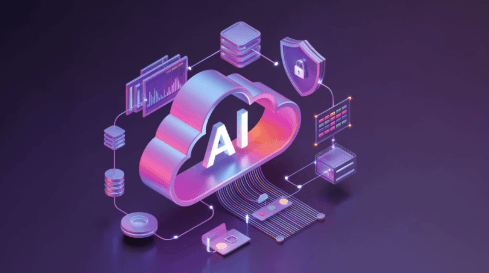
Intelligent cloud systems fuse data, models, and automation to anticipate needs and optimize operations. Real-time analytics turn streams into actionable insights, guiding proactive adjustments. Edge orchestration places workloads near demand, creating adaptive, resilient infrastructures. Governance, security, and continuous assurance provide transparency and trust, while predictive maintenance reduces downtime. The result is a data-driven, autonomous ecosystem that aligns strategy with execution, inviting further examination of how governance shapes future capabilities.
What Makes Cloud Systems Intelligent?
Cloud systems achieve intelligence by integrating data, models, and automation to anticipate needs and optimize operations. They leverage data governance to ensure quality and compliance, enabling trusted insights. Predictive maintenance reduces downtime by forecasting failures and scheduling interventions before disruption.
This architecture empowers autonomous decision loops, aligning strategic goals with operational realities, and delivering scalable, transparent freedom through proactive, data-driven optimization.
How Real‑Time Analytics Drive Smart Decisions
Real-time analytics arm cloud systems with immediate insight, turning streams of data into actionable intelligence that informs decisions as events unfold.
The approach emphasizes autonomous responsiveness, treating data as a continuous feedback loop.
Real time dashboards translate complexity into clarity, while streaming insights enable proactive shifts, aligning operations with rapidly changing conditions and empowering stakeholders to pursue freedom through intelligent, data-driven governance.
From Storage to Adaptive Architectures
Data governance informs policy, provenance, and quality.
Edge orchestration distributes workloads near demand, enabling resilient, autonomous systems.
Strategic alignment transforms infrastructure into adaptive ecosystems, unlocking freedom through transparent, precise decision-making.
Security, Compliance, and Trust in Intelligent Clouds
Security, compliance, and trust form the backbone of intelligent clouds, ensuring that scalable, adaptive architectures operate within well-defined risk boundaries.
The analysis highlights privacy governance as a core mechanism for transparency, accountability, and user autonomy.
Continuous assurance, driven by automated audits and real-time metrics, enables proactive risk detection, informed decision-making, and resilient, freedom-oriented cloud ecosystems.
See also: Intelligent Development Tools Explained
Frequently Asked Questions
What Are the Cost Implications of Intelligent Cloud Features?
Cost dynamics drive intelligent cloud features, revealing scalable pricing strategies that align with usage, performance, and value. The analysis emphasizes predictable budgeting, flexible contracts, and data-driven forecasts, empowering innovators to balance risk, freedom, and strategic investment.
How Do AI Models Stay Up-To-Date in the Cloud?
Updating models via continuous training pipelines and automated validation ensures data freshness, while drift detection triggers retraining in response to new signals, keeping AI in the cloud proactive, scalable, and aligned with a freedom-loving, data-driven strategic vision.
What Governance Frameworks Apply to Intelligent Cloud Systems?
Governance frameworks guide intelligent cloud systems by establishing accountability, risk management, and decision provenance, aligning with Compliance standards to ensure auditable, scalable operations; this data-driven, visionary approach empowers organizations seeking freedom to innovate responsibly.
Can Intelligent Clouds Operate Offline or in Disconnected Modes?
The question: can intelligent clouds operate offline or in disconnected modes? They can enable offline capability and support disconnected operations, preserving core analytics locally while synchronizing later, enabling autonomous decision-making, resilient workflows, and strategic freedom across variable connectivity landscapes.
How Do Users Measure ROI From Intelligent Cloud Deployments?
ROI from intelligent cloud deployments is measured via ROI tracking methods, cloud analytics integration, and cost metrics, while governance standards and offline capabilities shape strategy; model update strategies ensure ongoing value through visionary, data-driven, freedom-seeking governance.
Conclusion
Intelligent cloud systems quietly steer organizations toward resilient, data-informed futures. By weaving real-time analytics, adaptive architectures, and proactive governance, they reduce risk while amplifying opportunity. Trust is earned through transparent audits and continuous assurance, enabling bold experimentation with minimal friction. As storage, compute, and edge orchestration converge, decision loops become increasingly autonomous yet controllable. The result is a strategic, data-driven platform that guides enterprises with calm precision toward sustainable success.
